November 13, 2026
What to Know About Implant Materials for Dental Implants Bakersfield CA
By @alexislwxc181
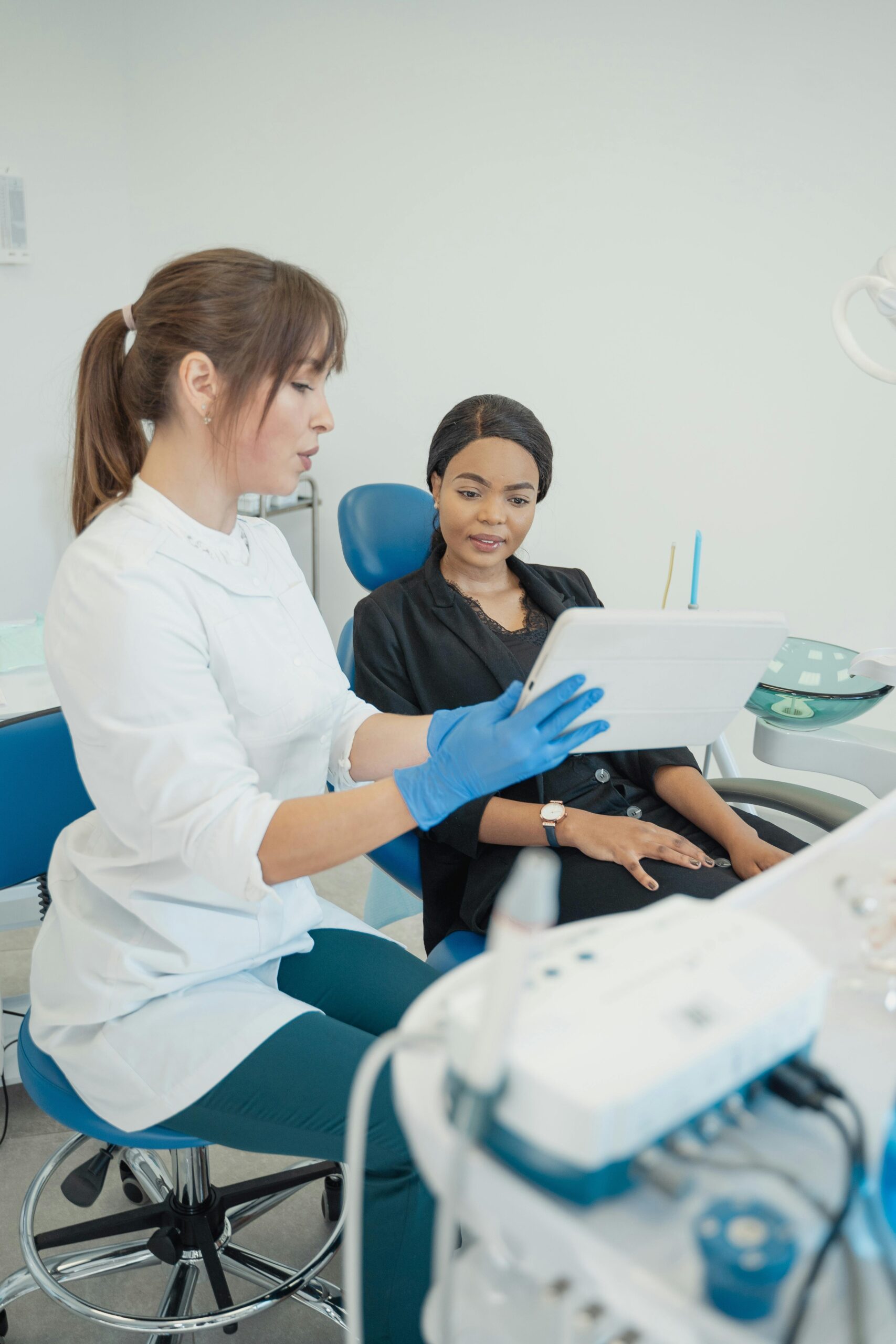
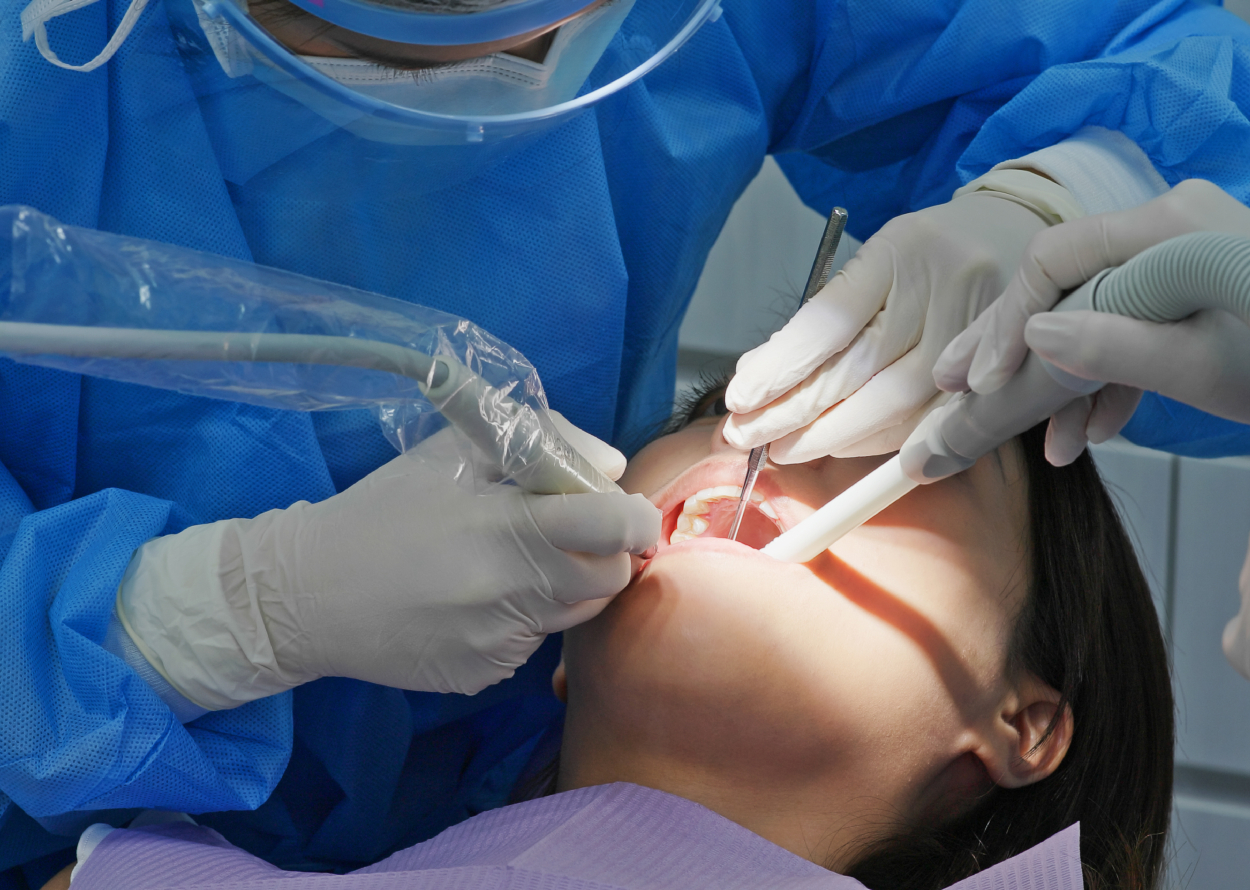
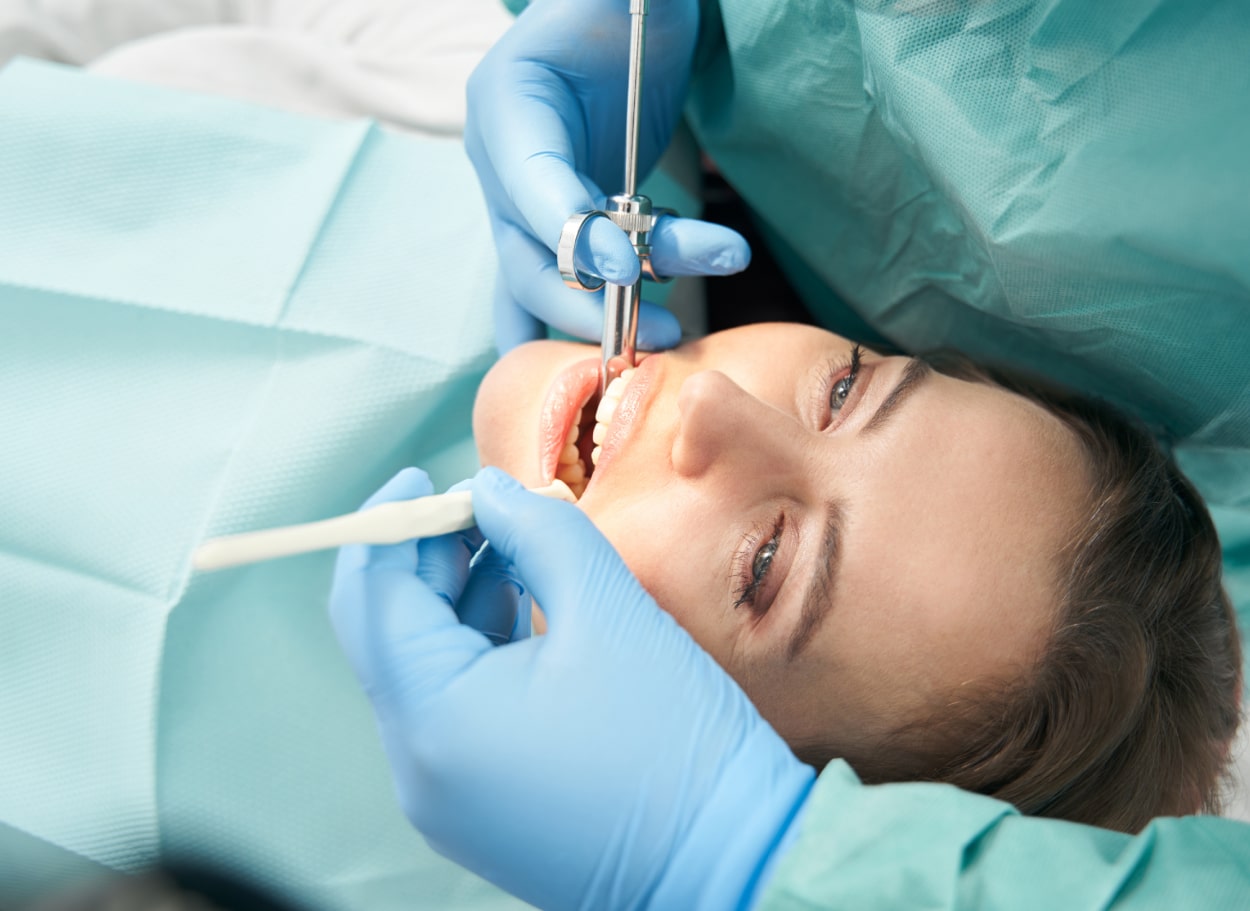
When people ask about dental implants, they usually start with the visible part. They want to know what the tooth will look like, how long healing takes, or whether chewing will feel normal again. The material inside the jaw, the actual implant post, often gets less attention. That is understandable, but it matters more than most patients realize.
The material used for an implant affects how the bone attaches to it, how the gum tissue behaves around it, how the restoration is designed, and in some cases how easy it is to maintain over the next ten or twenty years. It can also shape the treatment plan if you have thin gums, limited bone, heavy bite pressure, a history of clenching, or cosmetic concerns in the front of the mouth.
For patients researching Dental Implants Bakersfield CA, implant material is one of the more practical questions to bring to a consultation. Not because one material is always better than another, but because the right choice depends on the mouth in front of the surgeon, not on a marketing slogan.
The two material categories most patients hear about
Most implant discussions come https://juliusbqnk848.solsticebrief.com/posts/dental-implants-bakersfield-ca-for-long-term-smile-stability down to two broad categories, titanium and zirconia.
Titanium has been the longstanding standard in implant dentistry. It has the longest clinical track record, a large body of research behind it, and a reputation for predictable osseointegration, which is the process where bone grows onto and locks in with the implant surface. Many surgeons and restorative dentists prefer it because it offers design flexibility and a long history of use across a wide range of cases.
Zirconia is a ceramic material, often white or tooth colored rather than metallic. It appeals to patients who want a metal free option, and it can be attractive in certain cosmetic situations, especially when the gum tissue is thin and the implant is placed in a highly visible area. Over the last several years, zirconia implants have gained attention, but they still do not have the same length of clinical data as titanium in most situations.
That does not make zirconia a poor choice. It means a thoughtful dentist should explain where it shines, where it has limitations, and whether your case actually benefits from it.
Why titanium became the workhorse
Titanium earned its place because it performs well in the environment of the mouth. It is strong, lightweight, corrosion resistant, and highly biocompatible. More importantly, it has shown for decades that bone can bond to it reliably when the implant is well placed and the patient heals normally.
There is also a practical side that patients rarely see. Titanium implant systems come in a broad range of diameters, lengths, thread patterns, and restorative connections. That variety matters. A patient replacing a lower molar with heavy bite forces does not have the same mechanical demands as someone replacing a small upper lateral incisor. A patient with limited available bone may need a narrower implant than someone with abundant ridge width. Titanium systems generally offer more choices for these scenarios.
Experienced clinicians also value how titanium integrates with modern restorative workflows. If the implant needs a custom abutment, angle correction, or a particular crown design, the options are usually plentiful. In routine and complex cases alike, that flexibility can make treatment smoother.
One common point of confusion is the phrase “metal allergy.” True titanium allergy appears to be uncommon, and many patients who worry about reacting to titanium have never had a formal diagnosis. Still, the concern is real to the person sitting in the chair. A good implant consultation takes that concern seriously, asks about medical history and prior reactions, and discusses alternatives without dismissing the patient.
Not all titanium implants are exactly the same
Patients sometimes hear “titanium” and assume every implant is interchangeable. That is not how dentistry works in the real world.
Titanium implants vary by alloy, surface treatment, macro design, and connection style. Some are made of commercially pure titanium, while others use titanium alloys for added strength. The surface may be treated to increase roughness at a microscopic level, which can encourage bone attachment. Thread design influences primary stability, which is the mechanical grip the implant has in the bone right after placement.
Those details are not just engineering trivia. They affect how a surgeon approaches soft bone versus dense bone, whether immediate placement is realistic after an extraction, and how confidently the implant can be restored after healing.
A patient does not need to memorize implant metallurgy, but it helps to understand why your dentist may recommend one implant system over another. Often, it comes down to familiarity, clinical evidence, and the specific demands of your case.
Where zirconia fits in
Zirconia has legitimate advantages, especially in selective cases. The first is esthetics. In patients with thin, delicate gum tissue, a white implant may reduce the risk of a grayish shine-through that can occasionally happen with metal beneath soft tissue, particularly in the front of the mouth. That matters most when the smile line is high and the tissue biotype is thin.
The second advantage is patient preference. Some people strongly prefer a ceramic option for personal reasons. That may be philosophical, cosmetic, or related to sensitivity concerns. If the case is appropriate and the clinician has experience with zirconia systems, it can be a reasonable path.
The third point is plaque behavior, which is sometimes discussed in relation to zirconia surfaces. While there is interest in how soft tissues interact with zirconia, patients should be careful about oversimplified claims. No implant material excuses poor home care. If plaque sits undisturbed around an implant, inflammation can still develop. Material helps, but maintenance still decides a great deal.
Zirconia also comes with trade-offs. Historically, many zirconia implants were one piece designs, meaning the implant and abutment were connected as a single unit. That can limit restorative flexibility and make placement angulation more critical. Two piece zirconia systems exist, but not every office uses them, and not every case is ideal for them. Ceramic materials can also behave differently under stress than metals. In heavy grinders or in back teeth with high load, careful case selection matters.
Strength is more nuanced than patients expect
It is easy to assume stronger always means better. Dentistry is rarely that simple.
An implant must be strong enough to handle years of chewing, but it also has to distribute force properly to the surrounding bone and support a restoration that fits your bite. A large posterior implant in a patient who clenches at night faces different demands than a single implant for a front tooth in a patient with a light bite.
Titanium generally has an edge in toughness and long term versatility under varied loading conditions. Zirconia can perform well, but it tends to reward meticulous planning. If a patient has a narrow ridge, limited room, parafunctional habits, or a complex bite, the margin for error can be smaller.
I have seen patients focus hard on the word “ceramic” because it sounds modern and esthetic, then learn during planning that the real issue is not color at all. The real issue might be angulation, the need for a custom abutment, or the amount of force hitting that area every evening during sleep. In those cases, the best material is the one that suits the biomechanics, not the one that sounds most appealing online.
Soft tissue matters almost as much as bone
A successful implant is not only anchored in bone. It must also live peacefully with the gum tissue that seals around it.
This is where implant design and restorative execution matter alongside material choice. The emergence profile, the contour of the abutment or crown as it rises through the gum, must allow the tissue to sit in a healthy, cleanable shape. Even an excellent implant can struggle if the crown is overcontoured, traps plaque, or places pressure where the tissue cannot tolerate it.
In the esthetic zone, where front teeth show when you smile, soft tissue management becomes even more important. Tiny differences in gum height, papilla shape, and tissue thickness can change whether an implant crown blends beautifully or looks slightly artificial. In those cases, some dentists may discuss zirconia because of its color, but they will also look closely at grafting needs, implant position, and provisionalization. Material alone does not create a natural looking result.
The visible part may use a different material than the implant itself
This causes a lot of confusion. The implant post in the bone may be titanium, while the abutment and crown above the gum may use different materials.
For example, a dentist may place a titanium implant because of its track record and mechanical reliability, then use a zirconia abutment or all ceramic crown to optimize esthetics. That combination is common and often very effective. It allows the underlying implant to provide dependable support while the visible components create the appearance the patient wants.
So when someone says they want a “zirconia implant,” it is worth clarifying whether they mean the implant body itself, the abutment, the crown, or all of the above. Those are separate decisions.
Bakersfield patients should think beyond the sales language
People looking up Dental Implants Bakersfield CA often come across broad claims that one material is the safest, the strongest, the most natural, or the most advanced. Those phrases are rarely useful on their own.
The better questions are narrower. How much bone is available at the site? Is the area in the front or back of the mouth? Is the smile line high? Are the gums thick or thin? Does the patient grind? Is immediate implant placement being considered after extraction? Will a bone graft be needed? Is the restoration a single crown, a bridge support, or part of a full arch case?
A dentist who answers those questions in plain language is usually giving you more value than a website that leans on buzzwords.
Cases where titanium often makes sense
Titanium is frequently favored in posterior teeth, full arch reconstructions, complex restorative situations, and cases where restorative flexibility matters. It is also commonly recommended when the dentist wants access to a broad range of parts and components over time. If a crown ever needs to be remade years later, or if the angulation required special planning, that established ecosystem can be a quiet advantage.
Patients with significant bite force often do well with titanium based solutions because the material and component options are well understood. If the implant must fit into a tight restorative plan involving neighboring teeth, occlusion adjustments, or custom prosthetics, the range of available solutions is often wider.
That said, “often” is not the same as “always.” An experienced clinician still evaluates the whole picture.
Cases where zirconia may deserve a serious look
Zirconia may be worth discussing when the implant will sit in a highly visible area, the patient has very thin soft tissue, or the patient strongly prefers a metal free approach and has anatomy that supports it. It may also appeal to those who are highly esthetic focused and understand that treatment planning must be precise.
There are cases in which the cosmetic advantage of a tooth colored implant body can be meaningful, particularly if the gum architecture is delicate and every shade matters. A well selected zirconia case can be elegant. The key phrase is well selected.
If a dentist seems reluctant to recommend zirconia, that does not necessarily mean the office is behind the times. It may mean the clinician knows where the technique is most predictable and where it is less forgiving. Judgment matters more than novelty.
What to ask at your consultation
A material discussion is far more useful when it is tied to your actual anatomy and bite. These questions usually lead to a productive conversation:
- Which implant material do you recommend for my case, and why?
- What are the cosmetic pros and cons in the area being treated?
- Do my bite forces or grinding habits affect the material choice?
- If we use titanium, what visible parts can still be ceramic for appearance?
- How much experience do you have with the implant system you are recommending?
Notice that none of those questions ask which material is “best” in the abstract. They ask what is best for your case.
Healing and compatibility are not just about the material
Patients often frame the issue as a question of biocompatibility alone, but healing depends on more than what the implant is made of. Surgical technique, implant stability at placement, bone quality, smoking status, diabetes control, oral hygiene, and follow up care all play a role.
A beautifully designed implant can fail in a poorly controlled environment. On the other hand, a carefully placed implant in a healthy patient with consistent maintenance often does very well for many years.
This is one reason the material debate can get overblown. The implant body matters, but the daily habits around it matter just as much. I have seen patients obsess over trace material differences while neglecting the night guard they truly needed, or skipping hygiene visits because the implant “felt fine.” Trouble usually arrives quietly. It starts with inflammation, bleeding, food trapping, or bone loss that does not hurt until it becomes harder to fix.
Cost differences and what they really mean
Patients understandably ask whether zirconia costs more than titanium. Often it does, but fees vary by region, office, case complexity, and whether grafting or custom restorative components are involved. The bigger point is that implant cost is not driven by material alone.
Diagnostic imaging, surgical planning, bone grafting, temporary restorations, custom abutments, final crown design, and maintenance all influence the total investment. A less expensive implant option can become the costlier route if it is chosen for the wrong case and leads to compromise or revision.
It is fair to ask for a breakdown of what is included. It is also fair to ask what trade-offs come with one option versus another. A straightforward answer usually sounds specific, not vague.
A note on longevity
No responsible dentist can promise a precise lifespan for an implant. Too many factors influence long term outcomes. Still, titanium has the advantage of decades of documented use and broad clinical familiarity. That history matters, especially for patients who want the most established option.
Zirconia has encouraging results in appropriate cases, but it remains more technique sensitive and less universally adopted. If a patient values the longest and deepest evidence base, titanium generally holds that position.
Longevity also depends on the crown, the bite, the fit of the prosthetic parts, and ongoing maintenance. Some implant problems are not failures of the implant body itself. They are complications involving screws, prosthetic wear, gum inflammation, or overload. A solid treatment plan anticipates those possibilities.
Red flags when material choice is being oversold
When a consultation gets overly simplified, patients can miss important context. Be cautious if you hear claims that one material never causes inflammation, guarantees faster healing, or is categorically superior for every patient. Dentistry does not work in absolutes that cleanly.
A more reliable consultation usually includes some version of the following realities:
- Both titanium and zirconia can be successful in the right situation.
- The site in the mouth changes the recommendation.
- Bite force and restorative design matter as much as material.
- The surgeon’s experience with the chosen system affects predictability.
- Long term maintenance remains essential no matter which material is used.
That kind of balanced explanation tends to be a sign of good clinical judgment.
The smartest way to think about implant materials
If you are weighing options for Dental Implants Bakersfield CA, it helps to treat material choice as one piece of a larger plan. The best implant material is not selected in a vacuum. It is selected after considering bone volume, gum thickness, esthetic goals, bite forces, restorative demands, and the clinician’s experience with that system.
For many patients, titanium remains the practical and highly predictable answer. It has the track record, the flexibility, and the engineering support to fit an enormous range of cases. For some patients, zirconia offers real advantages, especially where appearance and personal preference intersect with favorable anatomy. Both can be valid. Neither should be chosen casually.
A good implant consultation leaves you feeling more informed, not more dazzled. You should understand why a material was recommended, what it offers, what it does not, and how it fits your mouth specifically. That is the level of detail that leads to stable results and fewer regrets years down the road.
Smyle Dental Bakersfield
2016 E St, Bakersfield, CA 93301, United States
+16614939040
FAQ About Dental Implants Bakersfield CA
What is the downside of a dental implant?
The main downsides of dental implants involve high financial costs, surgical risks, a lengthy healing process, and the potential for long-term complications.
How much does a full set of implants usually cost?
A full set of dental implants (covering both the upper and lower arches) typically ranges from $6,000 to $90,000+, depending heavily on the type of treatment, materials used, and whether the teeth are fixed or removable.
Can I have all my teeth pulled and get implants?
Yes, you can have all your teeth pulled and replaced with dental implants. Instead of placing a separate implant for every single tooth (which is costly and time-consuming), dentists typically use full-arch systems.
❧